
Jerry Buss didn’t just buy a basketball team;he bought a culture. When the Lakers owner Buss purchased the franchise in 1979, the NBA was a tape-delayed afterthought. He turned it into showtime. I’ve watched countless Lakers games, and the thread connecting Magic Johnson’s no-look passes to Kobe Bryant’s fadeaway isn’t just talent—it’s the Buss family’s stubborn insistence that entertainment and winning are the same thing. That’s the Lakers owner Buss legacy: a businessman who understood that a basketball court could double as a Hollywood stage.
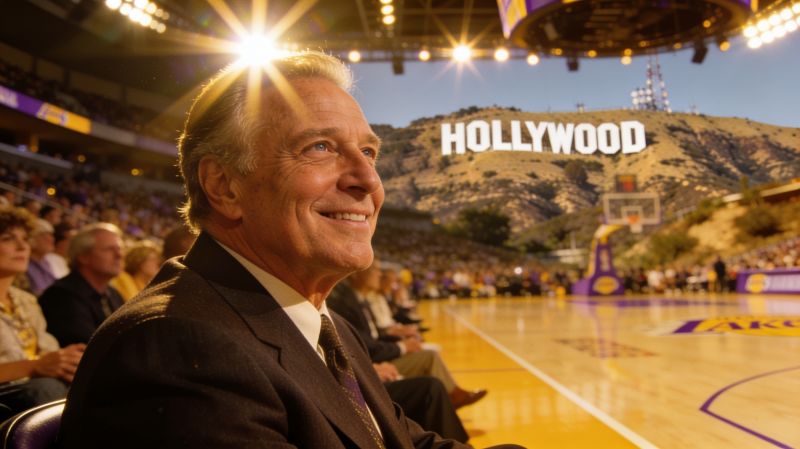
The Lakers owner Buss didn’t operate like a typical owner. He studied chemistry before owning a team, and he treated roster construction like an experiment. Drafting Magic Johnson in 1979?That was lucky. Hiring Pat Riley as head coach in 1981?That was calculated. Riley, a former broadcaster, had no head coaching experience。but Buss saw something in his intensity. Three years later, Riley had a ring. The Lakers owner Buss never micromanaged;he hired smart people and let them breathe. That’s a rarity. Most owners want credit. Buss wanted wins and a packed Forum Club.His daughter, Jeanie Buss, now runs the show—and the Lakers owner Buss influence is still visible in how she balances star power with front-office patience. When Magic Johnson abruptly resigned as president of basketball operations in 2019, Jeanie didn’t panic. She didn’t hold a press conference blaming anyone. She quietly let Rob Pelinka do his job. A year later。the Lakers won a championship in the bubble. That’s the Buss playbook: absorb the drama, protect the brand, trust the process. It’s not always pretty. The Lakers owner Buss era had its share of missteps—the Dwight Howard experiment, the Mike Brown hire—but the family never lost the plot. They know the Lakers are a tentpole, not a side project.
What’s often missed is how the Lakers owner Buss family treats the franchise like a family business—literally. Jerry’s sons。Jim and Johnny, had roles, and Jeanie’s rise wasn’t a coronation;
it was a fight. When Jim Buss famously said he’d step down if the team didn’t contend by 2017, he meant it. That’s accountability. You don’t see many owners making public promises like that. The Lakers owner Buss heirs may argue, but they don’t leak. They don’t tweet passive-aggressive emojis. In an era of chaotic ownership groups—see the Phoenix Suns or the New York Knicks—the Buss family’s relative stability is a competitive advantage.So when you watch the Lakers next season, look past the jerseys and the celebrities. Look at the ownership box. The Lakers owner Buss philosophy hasn’t changed: spend what it takes to win, entertain the crowd, and never apologize for wanting both. Jerry Buss once said he wanted the Lakers to be “the show” They still are. And that’s not an accident—it’s a blueprint.